
In modern manufacturing and maintenance industries, cleaning and degreasing metal components are essential steps to ensure product quality and operational safety. Traditionally, solvent-based cleaning systems dominated this field, but they often came with environmental and safety concerns. This is where aqueous parts washer recycling emerges as a sustainable and efficient alternative.
What Is Aqueous Parts Washer Recycling?
Aqueous parts washer recycling refers to the process of cleaning and reusing water-based cleaning solutions used in parts washers. Instead of discarding contaminated cleaning fluids after each use, the system filters, separates, and purifies the solution, allowing it to be reused multiple times. This significantly reduces waste generation and operational costs.
According to a 2022 report from the U.S. Environmental Protection Agency (EPA), industries adopting aqueous recycling systems reduced hazardous waste output by up to 65% compared to solvent-based cleaning operations. This shift not only supports environmental goals but also aligns with stricter waste management regulations.
How Does It Work?
The recycling process generally involves several key stages:
- Filtration: Removes large particles and debris from the used cleaning solution.
- Oil Separation: Separates oils and greases using coalescing filters or centrifuges.
- Evaporation or Distillation: Concentrates contaminants and recovers clean water or solvent.
- Reconditioning: Adds necessary detergents or additives to restore cleaning efficiency.
Why Is Aqueous Parts Washer Recycling Important?
Water-based cleaning systems are safer, non-flammable, and more environmentally friendly than traditional solvent systems. However, without recycling, even aqueous systems can produce significant wastewater. Recycling helps close the loop, ensuring minimal discharge and maximum resource utilization.
A study by the International Institute for Sustainable Development (IISD) found that companies implementing water recycling in cleaning operations reduced overall water consumption by 40–70% annually. This not only saves costs but also supports corporate sustainability goals.
Common Applications Across Industries
Aqueous parts washer recycling is widely used in:
- Automotive and aerospace maintenance
- Metal fabrication and machining
- Electronics and precision engineering
- Printing and coating industries
These industries benefit from cleaner parts, reduced waste disposal costs, and compliance with environmental regulations.
Integration with Solvent Recovery Machines
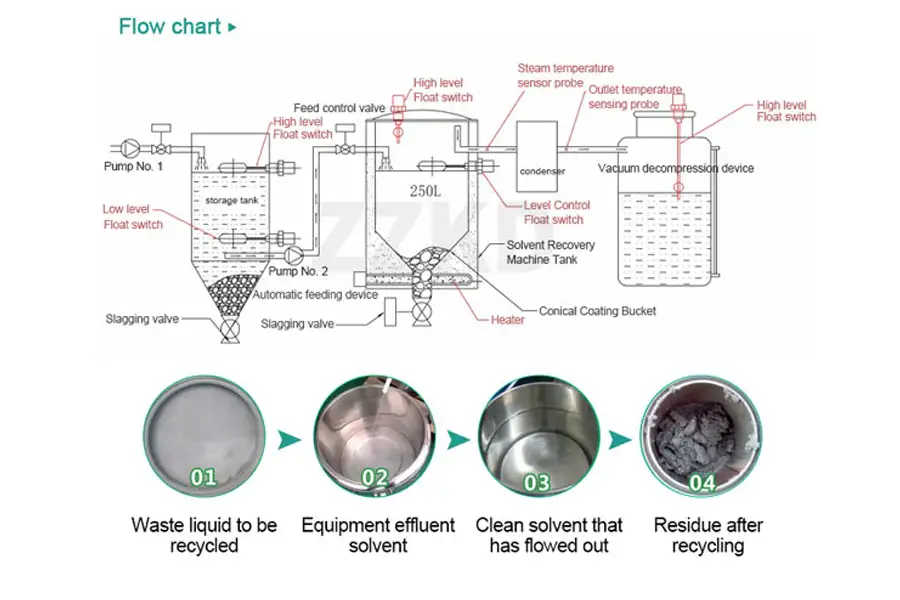
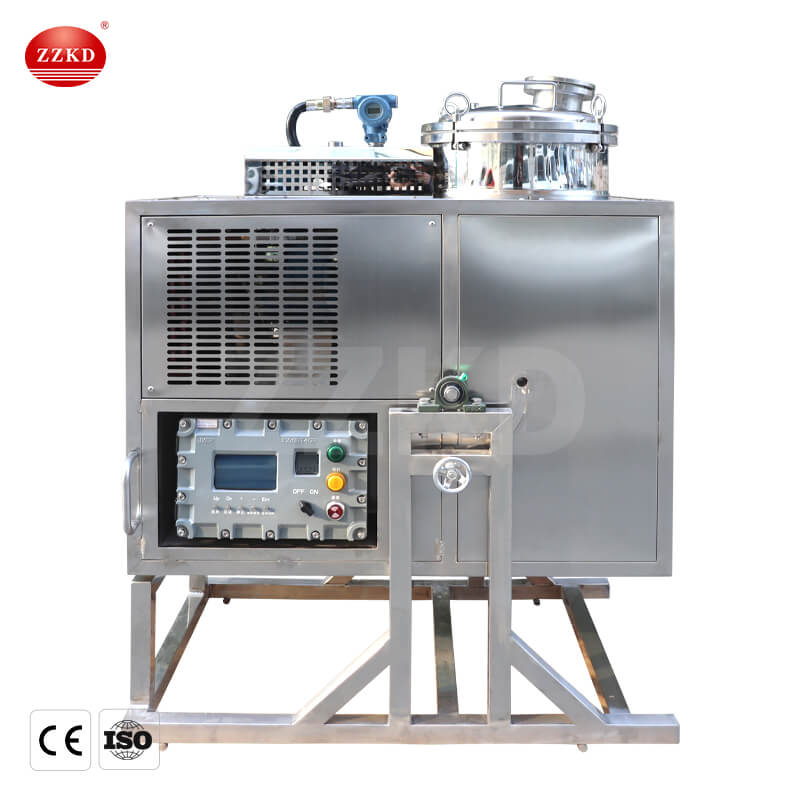
While aqueous systems rely primarily on water-based cleaning, many facilities still use solvents for specialized cleaning tasks. Integrating an industrial solvent recovery machine ensures that even these solvents are efficiently recycled and reused.
For example, distillation-based recovery units can separate contaminants from used solvents, producing high-purity recovered solvent ready for reuse. This process complements aqueous recycling perfectly, creating a zero-waste cleaning cycle.
What happens if the recycling process is not properly maintained?
If the filtration or separation systems are neglected, contaminants can accumulate, reducing cleaning performance and potentially damaging machinery. Regular maintenance, periodic filter replacement, and monitoring of solution quality are essential to ensure consistent results.
Economic and Environmental Benefits
The adoption of aqueous parts washer recycling systems can lead to substantial savings. Based on data from the European Federation of Chemical Engineering (EFCE), facilities using recycling systems reported a 30–50% reduction in total cleaning costs within the first year of implementation.
Additionally, recycling minimizes the need for fresh water and cleaning agents, helping facilities meet ISO 14001 environmental management standards.
Is it worth the investment for small and medium-sized enterprises?
Absolutely. While initial setup costs can be a concern, the long-term savings from reduced waste disposal, lower chemical purchases, and improved compliance make it a cost-effective solution. Many small facilities have reported full ROI within 12–18 months.
Technological Advancements
Recent innovations have enhanced the efficiency of aqueous recycling systems. For instance, modern systems now integrate smart sensors and automation to monitor contamination levels in real time. These systems automatically adjust filtration cycles and notify operators when maintenance is needed.
Moreover, combining aqueous recycling with solvent distillation units offers a comprehensive cleaning and recovery solution for facilities handling both water-based and solvent-based cleaning operations.
Challenges and Considerations
While the benefits are clear, successful implementation requires careful consideration of factors such as:
- Compatibility of cleaning solutions with materials
- Proper waste segregation and handling
- System capacity and throughput requirements
- Maintenance schedules and operator training
How can facilities ensure compliance with environmental regulations?
By maintaining accurate records of waste volumes, recycling rates, and discharge quality, facilities can demonstrate compliance during audits. Partnering with certified recycling equipment providers also ensures that systems meet local and international environmental standards.
Future Outlook
As environmental regulations tighten and sustainability becomes a global priority, aqueous parts washer recycling will continue to gain traction. According to a market analysis by Grand View Research, the global industrial cleaning equipment market is projected to grow by 6.5% annually through 2030, driven largely by eco-friendly and closed-loop cleaning systems.
In the near future, hybrid systems combining aqueous recycling, solvent recovery, and AI-based monitoring will dominate industrial cleaning operations, offering unmatched efficiency and sustainability.
Conclusion
Aqueous parts washer recycling represents more than just a cleaning solution—it’s a step toward a circular, sustainable industrial future. By integrating water recycling with modern solvent recycler machines, industries can reduce waste, save costs, and meet global sustainability goals.
“Clean today, sustain tomorrow — aqueous recycling is not just innovation, it’s responsibility.”