
In modern chemical and manufacturing industries, solvents are indispensable. They are used for cleaning, extraction, reaction media, and countless other applications. However, with their widespread use comes an inevitable challenge—solvent waste. Improper solvent waste disposal can lead to environmental pollution, health hazards, and financial losses.
According to a report published by the European Environment Agency, industrial solvent emissions contribute to nearly 15% of total volatile organic compound (VOC) pollution in Europe. This highlights the urgent need for sustainable solvent waste disposal and recycling solutions.
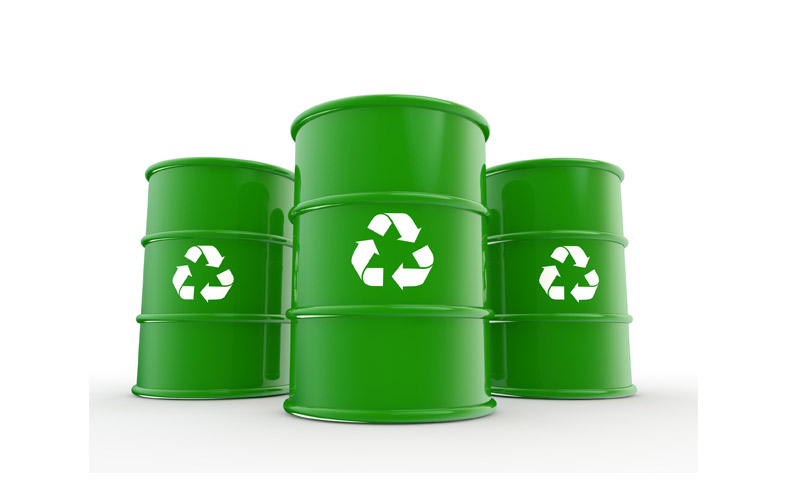
Why Solvent Recycling Matters
Solvent recycling is not just about reducing waste—it’s about transforming liabilities into assets. By using solvent recovery machines, industries can reclaim up to 95% of used solvents, significantly cutting down raw material costs and environmental impact.
What makes solvent recycling more cost-effective than traditional waste disposal?
Traditional disposal methods often involve transportation, incineration, or chemical neutralization—each adding cost and complexity. Recycling, on the other hand, uses distillation and purification technologies to recover usable solvents directly onsite. This reduces both waste management expenses and the need for purchasing new solvents.
Understanding Solvent Recovery Technology
Solvent recovery machines operate on a simple principle—distillation. The contaminated solvent is heated until it vaporizes, separating from impurities. The vapor then condenses into a clean liquid solvent ready for reuse. Modern systems, such as those described in our article on solvent distillation units, use advanced heat exchange and vacuum control technologies for maximum efficiency.
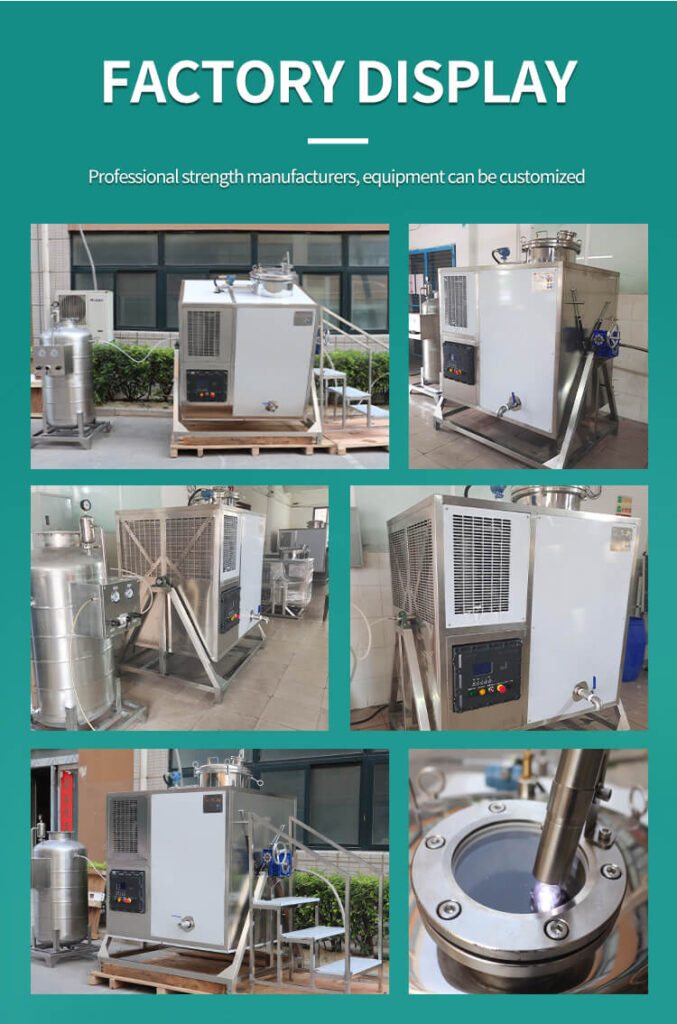
Environmental and Economic Benefits
Implementing solvent recycling systems offers a dual advantage—environmental protection and economic savings. According to a study by the U.S. Environmental Protection Agency (EPA), companies that adopted solvent recovery units reduced their hazardous waste generation by up to 70% and saved an average of $50,000 annually in solvent procurement costs.
Furthermore, solvent recycling supports compliance with strict environmental regulations. Many countries now require industries to minimize VOC emissions and hazardous waste output. Installing an industrial solvent recycler ensures adherence to these standards while promoting sustainable operations.
How can small and medium enterprises (SMEs) benefit from solvent recovery systems?
SMEs often face budget constraints that make waste management challenging. Compact solvent recovery units are designed specifically for smaller operations, offering an affordable and scalable solution. These systems allow SMEs to recover solvents used in cleaning, coating, or laboratory applications, reducing both purchase and disposal costs.
Applications Across Industries
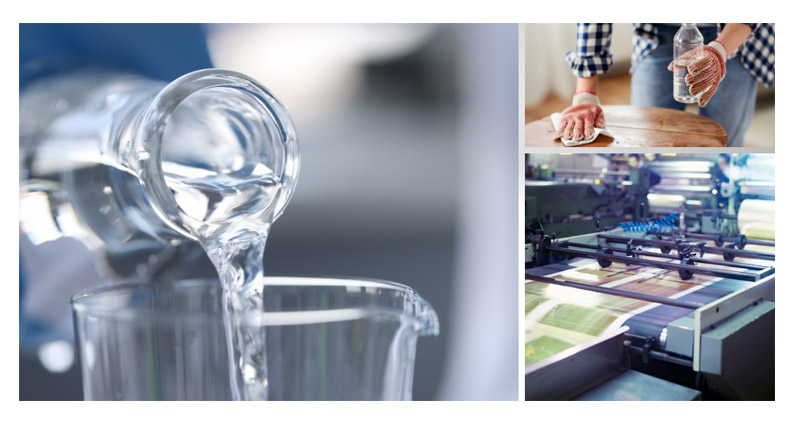
Solvent recycling is widely applicable across multiple sectors:
- Pharmaceuticals: For purification and extraction solvents.
- Paints and coatings: Recovery of thinners and cleaning agents.
- Electronics manufacturing: Reuse of solvents for component cleaning.
- Automotive: Recycling of degreasing and painting solvents.
Technological Innovation and Future Trends
Recent advances in automation and AI integration are making solvent recovery systems smarter and more efficient. Sensors monitor solvent purity, temperature, and pressure in real time, optimizing performance and minimizing energy consumption. According to a 2023 report from the International Energy Agency (IEA), digital optimization could reduce industrial solvent recovery energy use by up to 25% by 2030.
Could solvent recovery become fully automated in the near future?
Yes, automation is already transforming the way solvent recovery units operate. With the integration of smart sensors and AI-driven control systems, future recovery machines will likely require minimal human intervention, ensuring consistent quality and safety while reducing operational costs.
Choosing the Right Solvent Recovery Machine
When selecting a solvent recovery machine, consider factors such as capacity, solvent type, and purity requirements. For larger operations, industrial-scale distillation units are ideal. Smaller setups can benefit from compact models like the solvent recovery equipment designed for labs and workshops.
Key features to look for include:
- Automatic temperature and pressure control
- High recovery efficiency (up to 95%)
- Corrosion-resistant materials
- Safety features for flammable solvents
Conclusion: Toward a Cleaner, Smarter Chemical Industry
Solvent waste disposal and recycling are no longer optional—they are essential for sustainable industrial development. By investing in modern solvent recovery machines, companies can reduce environmental impact, comply with regulations, and improve profitability. Each recovered liter of solvent represents both a cost saving and a step toward a greener planet.
For more information on solvent recovery technologies and equipment, visit our detailed product page for solvent recovery machines.